PlatformsRotor & fixed-wing
Tactical UAS Operations Course
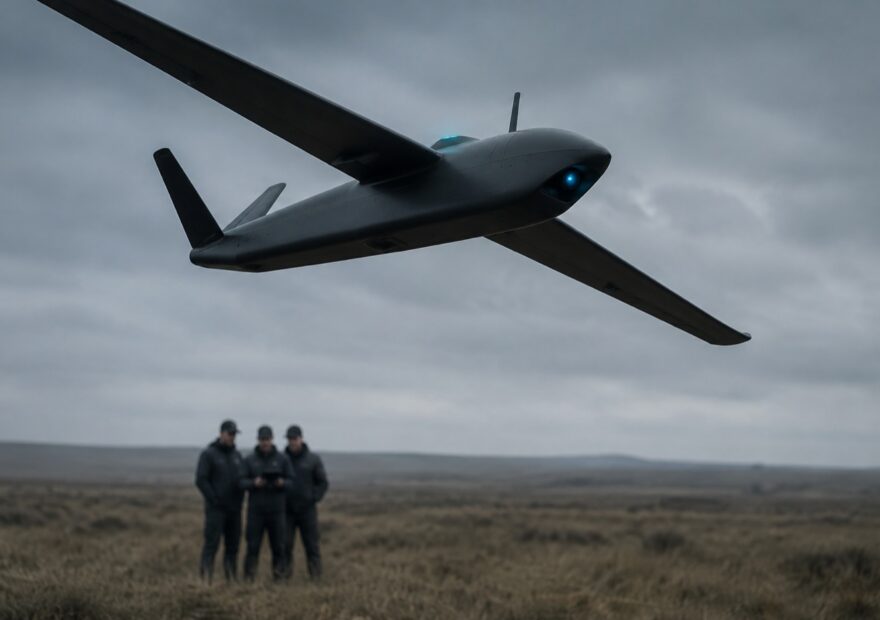
Turn aerial observation into tactical control: reconnaissance, surveillance and the integration of unmanned aircraft into an existing security architecture.
Course outlinePrivate military & security contractor
Obsidian International Defense Group operates across conflict-adjacent and low-governance regions, combining former special operations personnel, intelligence officers, unmanned-systems engineers and international-law advisors into a single layered security architecture.
Replace trigger lines with sensors. Replace luck with process.
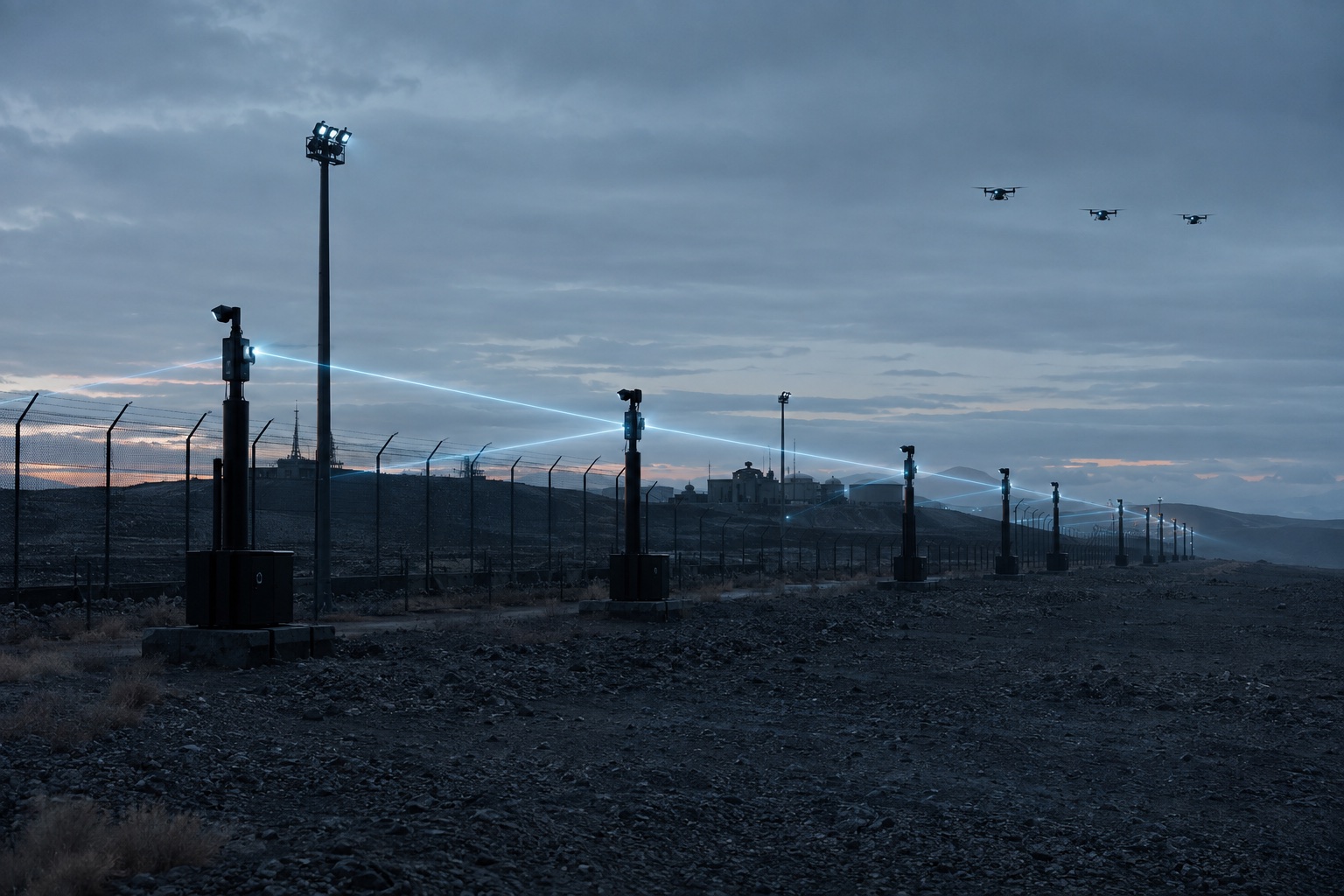
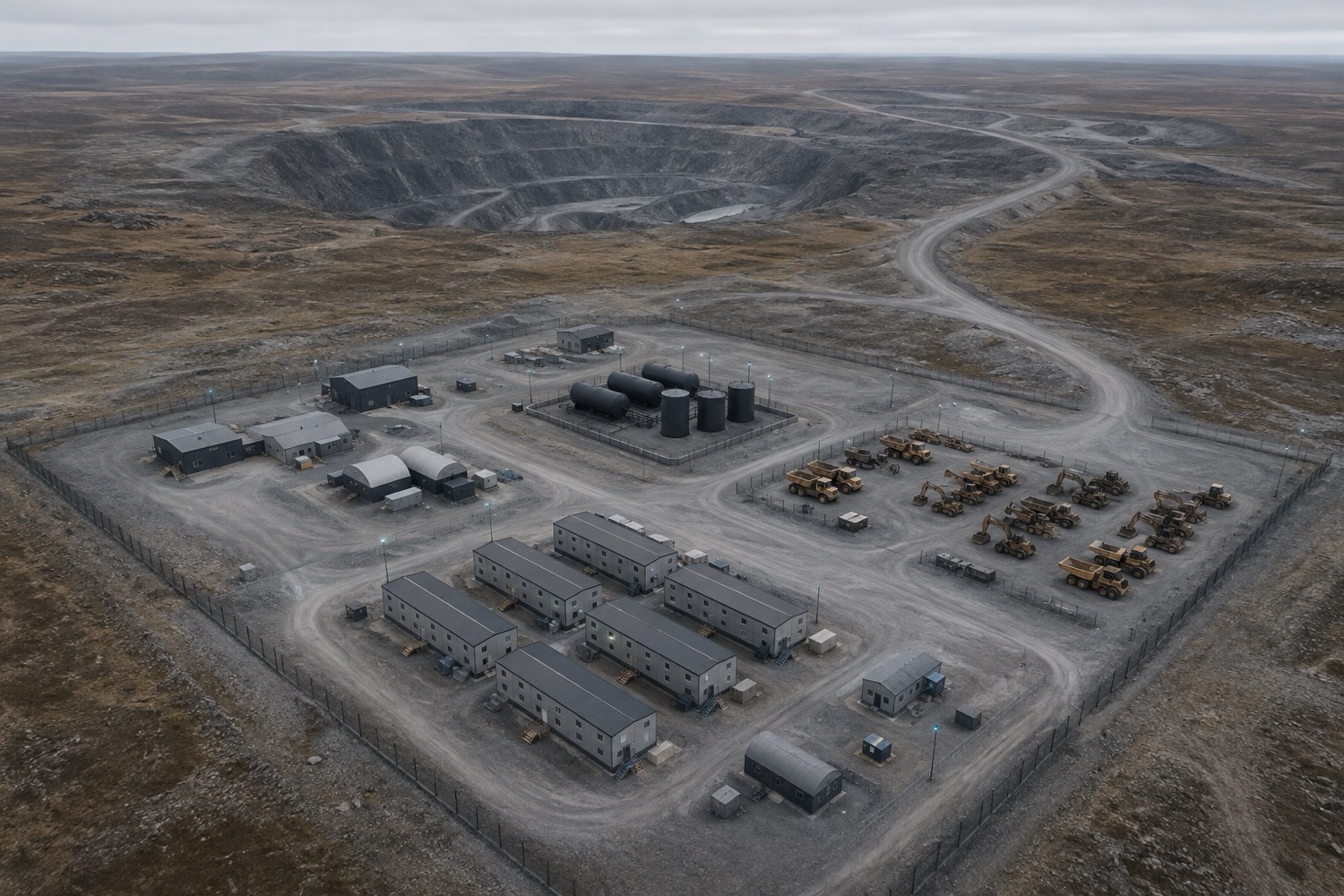
UAV patrol grids, UGV perimeter defense and thermal intrusion detection for mines, oil and gas fields and remote camps.
Threat assessment, facility hardening, hostage-event planning and convoy extraction in active-risk zones.
Close protection officers, secure motorcades, residential surveys and travel-threat modeling for principals and diplomats.
Modular programs run under live-force conditions for guard forces, law-enforcement partners and project teams.
Who we are
Static armed guards are expensive, hard to sustain and slow to react. Wherever the ground allows it we push detection outward onto sensors and unmanned systems, so responders are committed with warning, information and a plan rather than at contact range. Every deployment is written down: assessment, architecture, rules of engagement, reporting, review.
About the groupCapabilities
Deployed on their own, or combined into one integrated site architecture.
 Mining Site Security Services
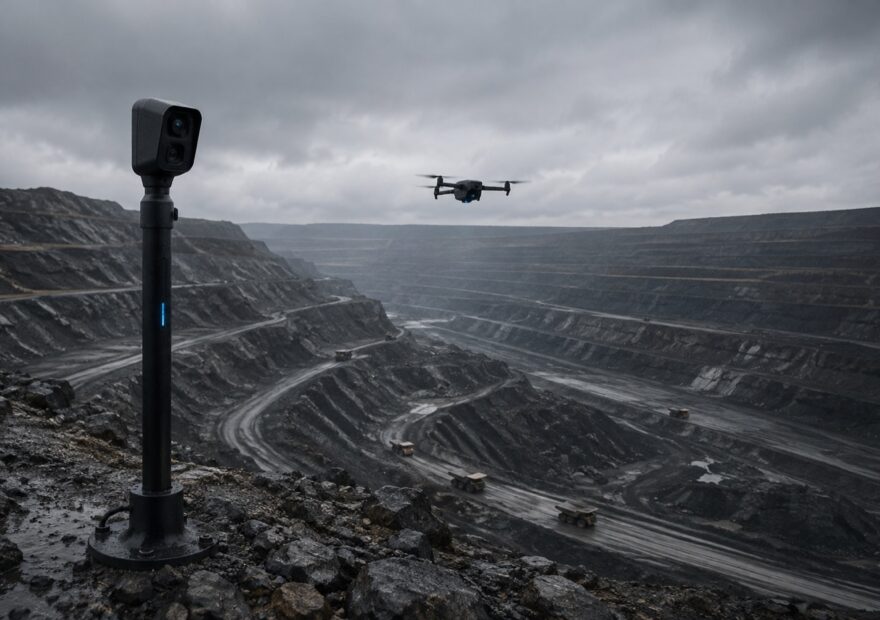
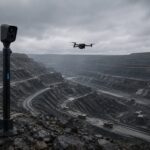
Comprehensive on-site security for mining projects in high-risk or overseas regions: perimeter protection, access control, anti-theft patrols and emergency response.
Capability detail
Mining Site Security Services
Comprehensive on-site security for mining projects in high-risk or overseas regions: perimeter protection, access control, anti-theft patrols and emergency response.
Capability detail
 Executive & Personal Protection Services
One-on-one or team-based close protection for high-net-worth individuals, corporate executives and diplomatic personnel, at home and in transit.
Capability detail
Executive & Personal Protection Services
One-on-one or team-based close protection for high-net-worth individuals, corporate executives and diplomatic personnel, at home and in transit.
Capability detail
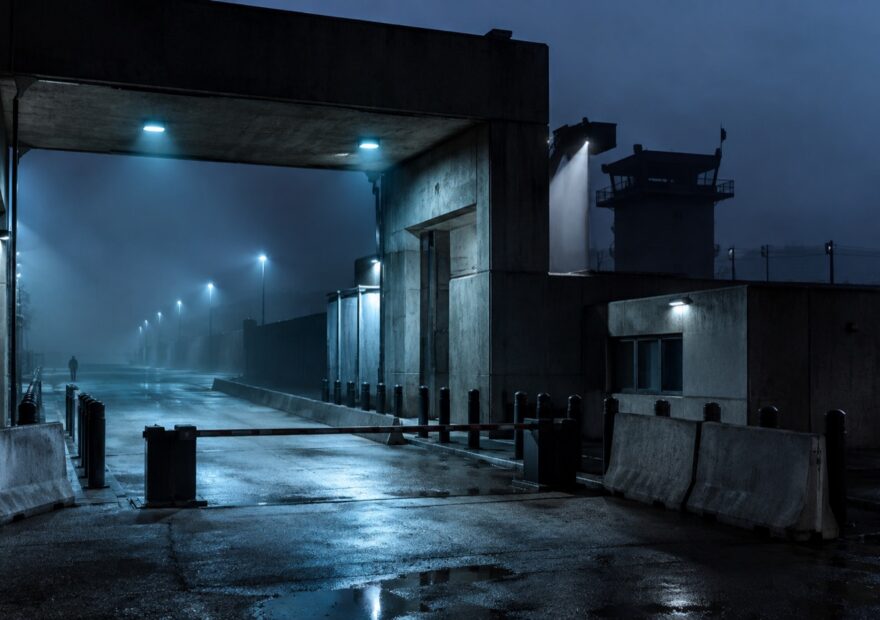 Counter-Terrorism Operations
Specialised counter-terrorism and emergency response against extreme threats: intelligence analysis, high-risk clearance, hostage rescue and hardening of critical targets.
Capability detail
Counter-Terrorism Operations
Specialised counter-terrorism and emergency response against extreme threats: intelligence analysis, high-risk clearance, hostage rescue and hardening of critical targets.
Capability detail
Site architecture
Select a marker to open the capability or training program behind that part of the site.
 Training
Tactical UAS Operations Course
Training
Tactical UAS Operations Course
 Training
Counter-Unmanned Aircraft Systems (C-UAS)
Training
Counter-Unmanned Aircraft Systems (C-UAS)
 Training
Joint UAS-UGV Interoperability Course (JUIC)
Training
Joint UAS-UGV Interoperability Course (JUIC)
 Training
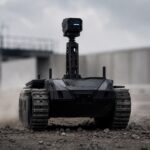
UGV Tactical Patrol & Security Operations
Training
UGV Tactical Patrol & Security Operations
 Service
Counter-Terrorism Operations
Service
Counter-Terrorism Operations
 Service
Mining Site Security Services
Service
Mining Site Security Services
Training academy
Modular programs under live-force conditions, taught by instructors with operational service records.
PlatformsRotor & fixed-wing
Turn aerial observation into tactical control: reconnaissance, surveillance and the integration of unmanned aircraft into an existing security architecture.
Course outlineCoverage24/7 continuous
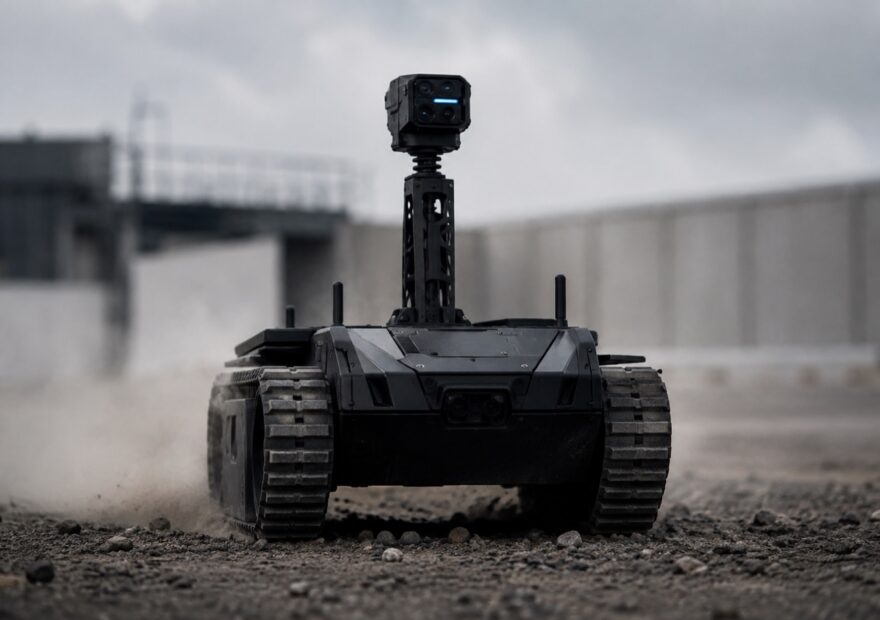
Extend the defensive perimeter without extending the front line: standoff detection and response with unmanned ground vehicles.
Course outlineDuration7–10 days
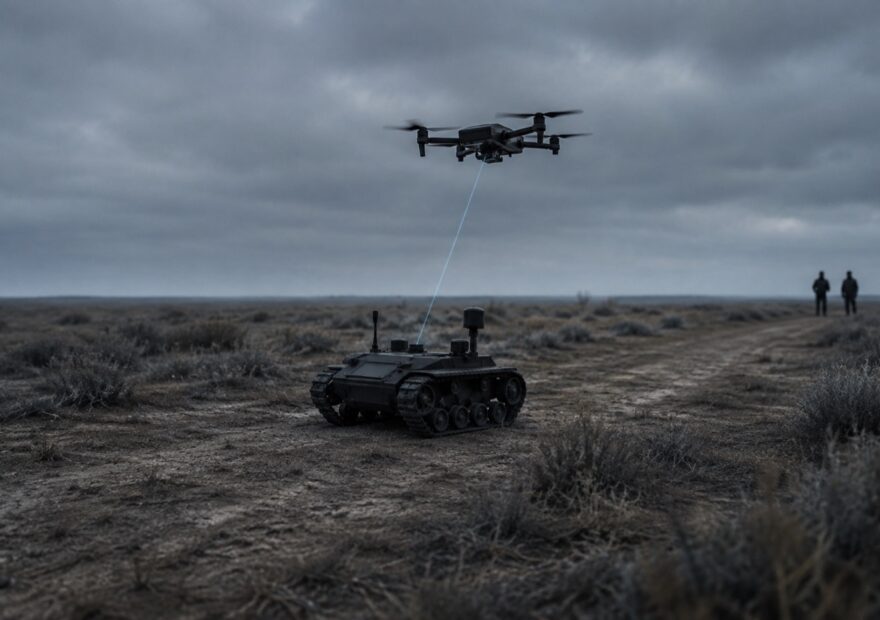
The capstone robotics program: synchronise airborne and ground assets into one common operating picture across mine sites, forward bases and infrastructure corridors.
Course outlineThreat classHostile sUAS
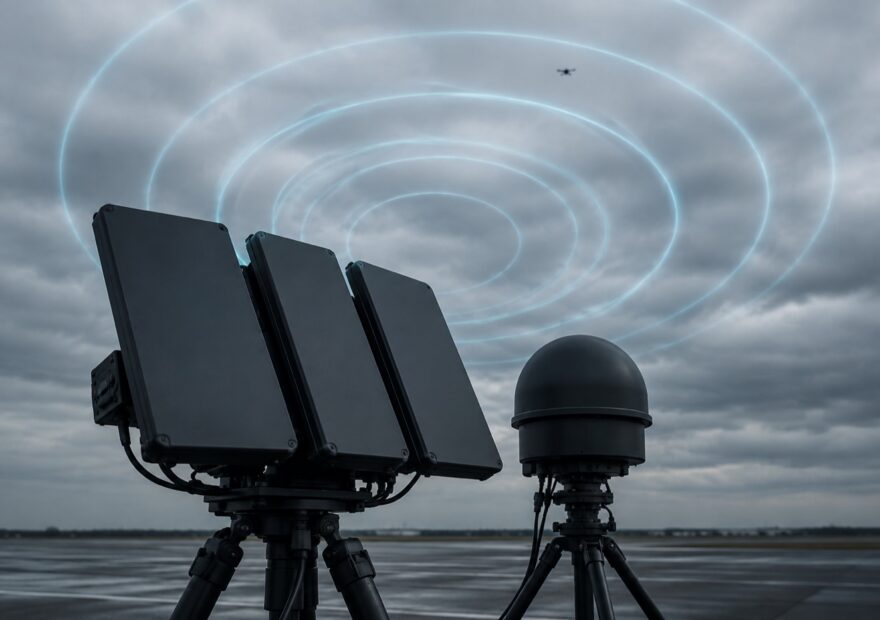
Denying the airspace: detect, track, identify and neutralise hostile small unmanned aircraft before they reach your assets.
Course outlineEmphasisMinimal signature
Stealth, precision, dominance. Movement, concealment and surgical action for small teams operating beyond the forward edge.
Course outlineEngagement
The same four stages run on a single-principal detail and on a full mine-site architecture. Only the scale changes.
On-site survey of terrain, access routes, local actors and the security posture already in place.
Sensor grid, patrol pattern and force composition drawn against the assessed threat, not against a template.
Equipment installed, teams inserted and local liaison established under an agreed rules-of-engagement framework.
Continuous monitoring, incident reporting and scheduled reassessment as the threat picture changes.
Careers
Instructors, unmanned-systems specialists and intelligence analysts with verifiable service records. English is the working language, international travel and long-term overseas assignment are part of the job, and every role carries real responsibility from the first rotation.
Open positionsThreat assessments are scoped per site. Pricing is not published.
Tell us the country of operation, what needs protecting and the intended timeframe. Do not send classified or operationally sensitive material through this form.